How to Brief a Florist for Seasonal Colour Matching at Your Event
If you want your flowers to feel effortless on the day, the brief matters more than most people realise. A good florist can absolutely create something beautiful from a few colour words and a date. But if you want the arrangement to look seasonal, sit naturally in the venue, and feel like it belongs to the moment, you need to know how to brief a florist for seasonal colour matching at your event properly.
That does not mean turning into a floral designer overnight. It means giving the right kind of direction: the season, the mood, the venue lighting, the colours that must appear, and the colours that should stay away. Get that right, and you save time, avoid awkward clashes, and make the whole event feel more polished. Let's face it, no one wants a spring wedding that somehow looks autumnal under warm orange uplighting.
In this guide, you will learn exactly what to include, what to avoid, how florists think about seasonal palettes, and how to turn your ideas into a brief that actually helps. There is a practical checklist, a comparison table, and a real-world example too. The aim is simple: better flowers, less guesswork, calmer planning.
Why How to brief a florist for seasonal colour matching at your event Matters
Seasonal colour matching is the quiet difference between flowers that feel integrated and flowers that feel bolted on. A florist working from a strong brief can choose stems that are naturally available, more likely to be at their best, and easier to shape into a palette that works with your event rather than fighting against it.
There is also a practical side. Seasonal flowers are often easier to source in better condition, which can improve the overall look and reduce stress in the run-up to the event. If you are planning a wedding, gala dinner, brand launch, private party, or corporate reception, a seasonal palette usually gives the florist more room to create something fresh rather than forcing a specific bloom into the wrong moment of the year.
Colour matching matters because venues are rarely blank canvases. A Georgian room with deep wood panelling, a bright contemporary loft, and a marquee at dusk all reflect colour differently. What looks soft blush in daylight can read almost beige by candlelight. What seems elegant on a screen may look muddy next to brass chairs or a patterned carpet. A florist needs that context, not just a Pinterest board and hope.
Truth be told, most disappointment comes from vague instructions. "We want pretty pastels" sounds fine until one person imagines dusty rose, another wants lilac, and the client definitely did not want peach. A proper brief cuts through that. It gives the florist a clear lane to work in.
How How to brief a florist for seasonal colour matching at your event Works
At its simplest, the process is a conversation between your event vision and the florist's material knowledge. You bring the mood, theme, brand, or colour references. The florist translates that into flowers that are available, suitable for the season, and visually balanced in the space.
The process usually works in four layers:
- Season: what flowers, foliage, and tones are naturally available around your event date.
- Palette: the colours you want featured, softened, supported, or avoided.
- Venue context: lighting, architecture, table linens, uniforms, walls, and other strong visual elements.
- Design intent: whether you want romantic, minimal, abundant, modern, wild, formal, or structured arrangements.
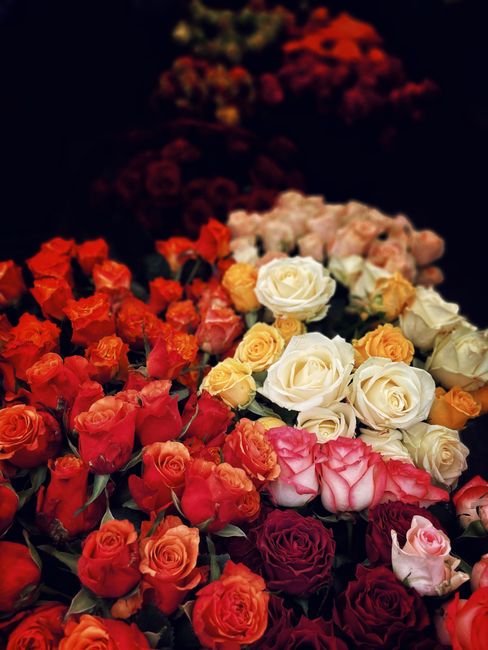
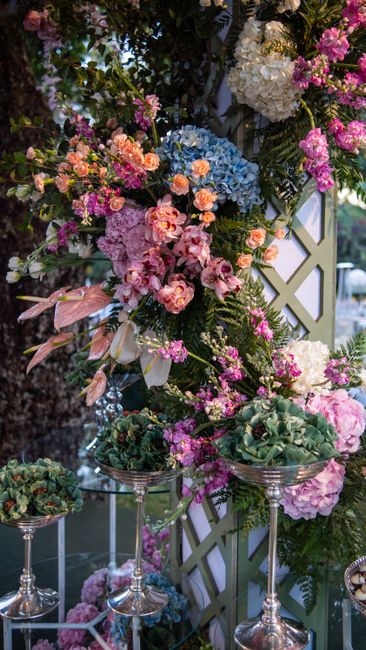
The florist then uses this information to suggest suitable blooms and mechanics. For example, a late-summer event might lean into warm apricots, soft corals, cream, sage, and hints of deep rose. A winter corporate dinner might call for ivory, burgundy, deep green, and metallic accents. Same basic principle, different feeling entirely.
One thing people sometimes miss: colour matching is not only about petals. Foliage, stems, vase materials, ribbons, candles, and even tablecloths can shift how the whole arrangement reads. A good florist thinks in layers, not just in flowers. That's the trick, really.
Key Benefits and Practical Advantages
When your brief is clear, the advantages show up quickly. Not in theory, but in the actual flowers on the day.
- Better visual harmony: The flowers support the room rather than competing with it.
- More reliable sourcing: Seasonal stems are easier to match to your date and often arrive in stronger condition.
- Fewer last-minute substitutions: The florist has a clearer plan and can offer alternatives early if needed.
- More efficient budget use: You spend money on impact rather than forcing out-of-season choices.
- Stronger brand or mood alignment: Especially useful for corporate events where colour needs to match identity.
- Smoother setup: A well-briefed florist can design with delivery, transport, and install practicalities in mind.
If you are comparing floral suppliers or planning a larger programme of arrangements, it can help to think in terms of the whole event journey, not just the bouquet or centrepiece. For bigger projects, resources like scheduling large-scale floral installations and comparing flower quotes for weddings and events can give you a better sense of what to ask before you sign anything.
And yes, flowers do set the tone. Guests notice them immediately, even if they cannot explain why the room feels "right". That is usually the colour work doing its job quietly in the background.
Who This Is For and When It Makes Sense
This approach is useful for almost any event where flowers are visible to guests, cameras, or both. If your event has a colour scheme already, you need a brief. If your venue has a lot of visual character, you need a brief. If the event photos matter, you definitely need a brief.
It is especially helpful for:
- Weddings: where florals need to tie together dresses, stationery, tables, and ceremony spaces.
- Corporate events: where flower colours may need to reflect brand identity without feeling too rigid.
- Private parties: where you might want a seasonal look that feels elegant but not overly formal.
- Seasonal celebrations: Christmas, spring launches, summer garden parties, autumn dinners, and similar occasions.
- Press-facing events: where the visual impression matters from every angle.
It makes less sense only when the event is very small, very casual, or intentionally loose in style. Even then, a short brief helps. You do not need a mood board for a Sunday lunch, obviously. But if you care about the palette at all, a little clarity goes a long way.
For corporate planners, it can be useful to think beyond one-off orders and look at ongoing needs too. A page like corporate accounts can be a useful starting point when you are organising repeat events or office environments that need a consistent floral look.
Step-by-Step Guidance
If you want to brief a florist well, use a clear sequence. Not rigid. Just sensible. Here is a practical way to do it.
1. Start with the event facts
Give the date, venue, schedule, guest count, and setup timing. Those details are not admin noise; they shape what is realistic. A florist planning around a morning delivery into a busy central London venue will think differently from one working on a relaxed countryside install the day before.
If the venue has access restrictions, loading bays, lift limits, or strict install windows, say so early. A beautiful plan that cannot get through the service corridor is not much use, frankly.
2. Define the season and the feeling you want
Use the season as a guide, not a cage. "Late spring, fresh and airy" is more helpful than "flowers like spring". If you know the emotional tone, say it plainly: romantic, crisp, luxurious, playful, natural, or polished.
This is where a florist can begin to suggest seasonal colour families. Think soft whites and greens, warm peach and cream, jewel tones, muted blushes, or rich winter shades. The more specific your tone, the better the match.
3. Describe the exact colours you want matched
List the dominant colours, secondary colours, and any colours to avoid. If your event styling includes sage napkins, terracotta pottery, navy suits, or champagne linen, mention it. A florist will use those cues to balance the palette rather than repeating them too literally.
One useful tactic is to divide your colour request into three groups:
- Must include: the colours that need to be clearly visible.
- Nice to include: shades that support the scheme without dominating it.
- Avoid: colours that would clash with the venue or styling.
4. Share images, but explain them
Images help, yet they can also confuse if no one explains what they are for. A photo may show the general mood, not the exact flower types. You might like the softness of one arrangement, the structure of another, and the colour temperature of a third. Say that out loud. Florists are used to translating mixed references.
Be fair to the florist here: if you send five wildly different screenshots and say "something like this", you are asking for interpretation. Which is fine, but then say which elements matter most.
5. Mention what the flowers must work with
Tell the florist about tableware, candles, backdrops, signage, draping, bridesmaid dresses, uniforms, or brand colours. Even the lighting matters. Warm uplighting can make blush flowers read peach; cool daylight can make ivory look cleaner and sharper.
6. Ask what is seasonal and realistic
This is the point where a good florist earns their keep. They should tell you what is naturally in season, what can be matched closely, and what may need compromise. Ask them to explain the trade-offs in simple language. If they suggest a substitute stem, ask why. Usually there is a good reason.
7. Confirm any non-negotiables before the quote is final
If a certain flower, shade, or vase finish is essential, say so before the design is locked. Last-minute changes can affect stock, labour, and cost. Far better to agree upfront than to discover on installation day that everyone had a different idea of "soft pink".
| Brief element | Good example | Why it helps |
|---|---|---|
| Season | Early autumn, warm and textural | Guides stem choice and tonal direction |
| Palette | Terracotta, peach, cream, olive green | Gives the florist a workable colour map |
| Venue context | Dark wood room with candlelight | Helps avoid colours that disappear in the space |
| Style | Natural, abundant, slightly loose | Directs shape and density as well as colour |
| Avoid list | No bright yellow, no neon tones | Prevents obvious clashes and awkward surprises |
Expert Tips for Better Results
Here is where experience really helps. Most strong floral briefs are not longer. They are clearer. A few smart habits make all the difference.
Use plain language first. "Dusky pink", "fresh green", "rich burgundy", "warm cream" often works better than technical colour language unless your florist specifically asks for it. You can still share Pantone, brand references, or exact swatches if that matters, but start with what humans actually say in conversation.
Be specific about light. If the flowers will be seen mostly indoors at dusk, under candles, or in daylight by a window wall, say so. Lighting changes colour more than people expect. A soft lavender arrangement can suddenly look much cooler under evening LEDs.
Allow one anchor colour and one support colour. Too many equal-weight colours can make the design feel restless. One strong lead colour and a couple of supporting tones usually gives a better result.
Ask for a seasonal substitute plan. Good florists often have a Plan A and Plan B ready. That does not mean anything is wrong; it means they are working like professionals. If your preferred stem is unavailable, they should be able to explain the nearest visual match.
Request a sample image or palette sketch if the order is large. Not every job needs this, but for weddings or branded events it can be useful. A quick visual check can catch misunderstandings before anything is ordered.
Think about scent too. Heavy fragrance can be lovely in a small dinner setting, but less ideal in enclosed spaces or around food service. It is a small detail, yet it can change how the room feels after an hour or two.
And one slightly unglamorous tip: keep your colour brief in one document or email thread. Scattered notes across messages, phone calls, and screenshots tend to get lost. A single tidy reference saves everyone a headache. Old-fashioned, maybe. Effective, definitely.
Common Mistakes to Avoid
Most problems are avoidable. Not all, but most. The big ones tend to be the same from event to event.
- Being too vague: "Elegant", "nice", or "seasonal" alone does not tell the florist enough.
- Ignoring venue lighting: Colour can shift dramatically between daylight and evening conditions.
- Overloading the palette: Too many competing colours can look busy rather than cohesive.
- Not mentioning fixed elements: Linen, branding, drapes, and furniture all affect the final read.
- Choosing out-of-season expectations: A florist can often substitute well, but some exact requests are difficult or costly.
- Leaving the brief until the last minute: That is when stock limitations and rushed decisions cause trouble.
- Assuming screenshots are enough: They help, but only when paired with a short explanation.
Another common issue is asking for "something unique" without giving a design direction. Unique to whom? To the venue? To the season? To your brand? It sounds inspiring in a meeting, but it is not very actionable. Florists are creative, yes, but they are not mind readers. Sadly.
If you are unsure how much detail is enough, compare your floral brief to a useful delivery brief. For example, pages about how UK florists manage transport and same-day logistics show why details like access, timing, and destination matter just as much as the design itself.
Tools, Resources and Recommendations
You do not need fancy software to brief a florist well. In most cases, a simple combination of notes, images, and a colour reference is enough. Still, a few tools make life easier.
- Colour swatches: physical fabric samples, paint cards, or printed references can help more than a screen alone.
- A mood board: a small, edited set of images is better than a giant, messy collection.
- Venue photos: especially useful if the florist has not seen the space before.
- Lighting notes: daytime, evening, candlelit, natural light, or mixed light.
- Budget outline: useful for steering the brief toward realistic stem choices.
- Installation schedule: helps the florist design for timing, transport, and setup order.
For flower care expectations after the event, it can also help to understand basic handling and longevity. A practical page like flower care is useful if you want arrangements to look their best during the event and not wilt early in the afternoon.
And if your event planning includes values like waste reduction or locally sourced materials, the sustainability page may be relevant to how you frame your brief. Seasonal matching and sustainable sourcing often overlap naturally, though not every seasonal stem is automatically local.
Law, Compliance, Standards, or Best Practice
For most events, floral colour matching is a creative service rather than a regulated technical process. Even so, there are sensible best-practice points worth noting, especially for larger or public-facing events in the UK.
First, be clear about venue rules. Some venues have restrictions on open flames, floor-standing installations, adhesive materials, or delivery times. If flowers are installed around food, exits, stairways, or public areas, the florist and event team should make sure the layout is safe and practical. That is common sense, but it needs saying.
Second, if the event involves employees, guests with accessibility needs, or public attendance, the floral plan should not obstruct routes, signage, or essential facilities. The florist may not be responsible for venue compliance, but they should work within the venue's requirements. A well-briefed florist will usually ask the right questions anyway.
Third, professional standards matter. You may see wording around qualified florists, installation methods, transport care, and consistent design processes. These are not formal legal requirements for every job, but they are useful signs of a reliable supplier. In larger event planning, looking at guidance on standards and methods for big events can help you understand what good practice looks like in real life.
Finally, make sure payment terms, substitutions, cancellation conditions, and delivery expectations are written down. If anything changes, you want a clear paper trail. Not because anyone is being difficult, just because event work moves fast and memories are, well, annoyingly human.
Options, Methods, or Comparison Table
There is more than one way to brief a florist. The best method depends on how specific your event is and how confident you feel about colour. Here is a simple comparison.
| Method | Best for | Pros | Limitations |
|---|---|---|---|
| Verbal brief only | Small, informal events | Quick, easy, low effort | Easy to misunderstand; less precise |
| Written brief with images | Most weddings and private events | Clearer, more repeatable, better for quoting | Can still be vague if images are unedited |
| Written brief + swatches + venue photos | Brand-led or design-sensitive events | Strong alignment with colour and space | Takes more preparation |
| Detailed creative brief with sample approval | Large events or high-value installs | Most controlled, least ambiguity | Longer lead time, more coordination |
For many readers, the sweet spot is the written brief with a few strong images and a short list of must-have colours. That gives enough guidance without smothering the florist's creativity. And honestly, that balance is where the best work tends to happen.
Case Study or Real-World Example
Imagine a late-September corporate dinner in a London hotel ballroom. The client wants the room to feel seasonal but not autumn-heavy, and the brand colours are navy, copper, and soft ivory. They also want the flowers to look good under warm evening lighting and in photos taken from the stage.
A useful brief would look something like this:
- Season: early autumn
- Mood: polished, welcoming, elegant, slightly warm
- Primary colours: ivory, blush, peach, muted apricot
- Support colours: soft sage, bronze-toned foliage, deep rose accents
- Avoid: bright yellow, strong orange, anything too rustic
- Venue notes: dark flooring, low warm lighting, stage backdrop in navy
- Practical note: arrangements must be low enough not to block table conversation
With that brief, the florist might suggest garden roses, seasonal spray roses, muted chrysanthemums, textured foliage, and vase finishes that echo the copper details without becoming shiny or overdone. The resulting scheme would feel connected to the room, not pasted onto it.
Now compare that with a weaker brief: "We need seasonal flowers in nice colours." The florist could still create something attractive, but the chances of a mismatch go up. Maybe the room ends up too pastel, or the warm lighting changes the look, or the brand copper disappears completely. Small communication gaps. Big visual consequences.
If the event also requires secure transport and careful installation timing, it may be worth reading about secure event displays. Good design is only half the job; the practical handling matters too.
Practical Checklist
Use this checklist before you send your brief. It is simple on purpose.
- Have I given the event date, venue, and install timing?
- Have I said what season the event takes place in?
- Have I described the mood or style in plain English?
- Have I listed the key colours to include?
- Have I listed any colours to avoid?
- Have I shared venue photos or a floor plan if relevant?
- Have I explained the lighting conditions?
- Have I mentioned tableware, linens, outfits, or brand colours that matter?
- Have I identified must-have flowers, if any?
- Have I asked what is realistically seasonal for the date?
- Have I set a budget range or at least a budget direction?
- Have I confirmed delivery, setup, and breakdown expectations?
- Have I asked about substitutions and approval for changes?
- Have I gathered everything into one clear message or document?
If you can answer yes to most of those, you are in good shape. Not perfect, just good shape. And that is usually enough for a florist to do their best work.
Conclusion
Seasonal colour matching works best when the florist gets clear, practical guidance rather than loose inspiration alone. The strongest briefs are calm, specific, and grounded in the reality of the venue, the light, the season, and the event itself. Once you know how to brief a florist for seasonal colour matching at your event, the whole process becomes easier. Better choices. Fewer surprises. More confidence on the day.
Keep the brief simple, but not vague. Share what matters, explain what you want to feel, and leave room for the florist's expertise. That balance is where the magic tends to happen. And if you are standing in a room full of flowers later that evening, with the right colours softly catching the light, you will know it was worth the few extra minutes of planning.
Get a free quote today and see how much you can save.
And if you want more background before you book, you can also explore practical guides on how to brief your florist for accurate wedding bouquet proposals, or even compare seasonal value with the cost of seasonal versus imported flowers. Sometimes a little extra context makes the whole decision feel much steadier.
Frequently Asked Questions
What should I include when briefing a florist for seasonal colour matching?
Include the event date, venue, season, colour palette, lighting conditions, style direction, budget range, and any colours or flowers you want to avoid. The clearer the brief, the easier it is for the florist to translate your idea into a workable design.
Do I need exact colour swatches for my florist?
Not always, but they help a lot for brand-led events or when a very specific shade matters. Fabric swatches, paint cards, and a few edited images are usually enough for most events.
How far in advance should I brief a florist?
As early as you can. For larger events, start the conversation well ahead of the date so the florist can source seasonal stems properly, plan substitutions if needed, and schedule installation without a rush.
Can a florist match my event colours exactly?
Sometimes, but not always. Seasonal availability, natural variation, and lighting all affect the final look. A skilled florist can usually get very close and guide you toward the nearest visual match.
What if I like a flower that is not in season?
Tell the florist you like it and ask for the closest seasonal alternative. In many cases, they can suggest a stem with a similar shape, tone, or texture that works better for the date and budget.
How do I describe the look I want if I do not know flower names?
Use mood words and colour references instead. For example: soft, romantic, modern, earthy, fresh, minimal, rich, or abundant. Add images if possible. You do not need to know botanical names to give a helpful brief.
Should I brief my florist about the venue lighting?
Yes, absolutely. Lighting changes colour perception more than most people expect. Warm evening light, daylight, candles, and artificial light can all change how flowers look in the room and in photographs.
Is seasonal colour matching better for budgets?
Often, yes. Seasonal flowers are generally easier to source and may give you more value for money. It is not a guarantee of lower cost, but it usually helps the florist work more efficiently and realistically.
How many colours should I ask for in the arrangement?
Usually one main colour family and a few supporting tones works best. Too many equal colours can make the design feel noisy. A balanced palette usually looks more elegant and cohesive.
What is the biggest mistake people make when briefing a florist?
Being too vague. Words like "nice", "pretty", or "seasonal" sound fine, but they do not give enough direction on their own. A short, clear brief is far more useful.
Can I ask for sustainable or locally sourced seasonal flowers?
Yes. If that matters to you, say so in the brief. Just remember that "seasonal" and "local" are related but not identical, so it helps to tell the florist which matters most if there is a trade-off.
What if my colours clash with the venue?
That is exactly why the brief matters. Share photos of the venue and ask the florist for advice on how to soften or balance the palette. Sometimes a small shift in tone makes all the difference.
Should I approve a sample before the event?
For larger or high-value events, a sample image or palette sketch can be very helpful. It is not always necessary for smaller orders, but it can reduce confusion when the design is more complex.
Can I still give creative freedom to the florist?
Yes, and you probably should. The best briefs give clear boundaries but leave room for the florist to use their expertise. That balance usually produces the strongest result.