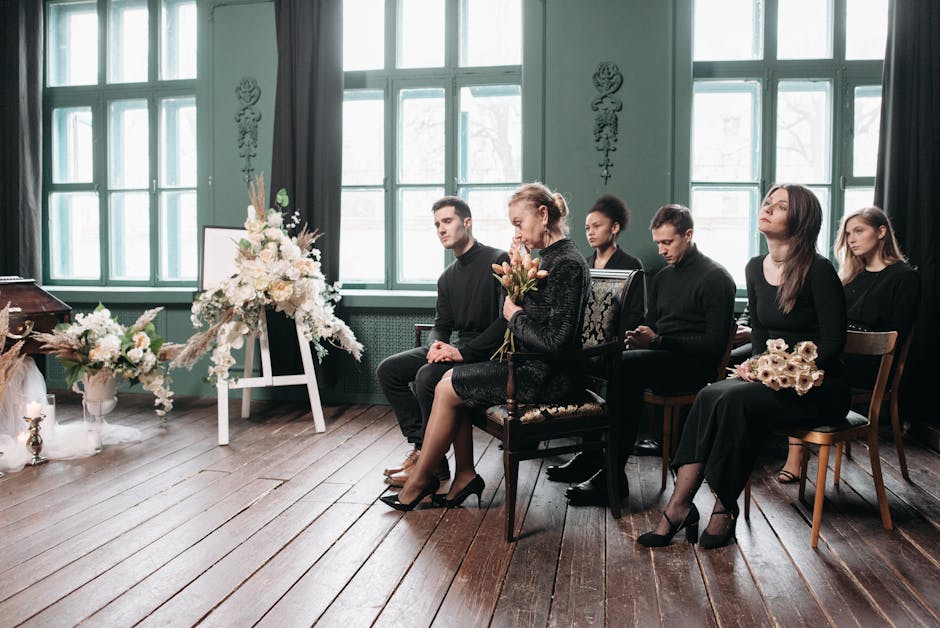
Mistakes to Avoid When Choosing Sympathy or Funeral Flowers
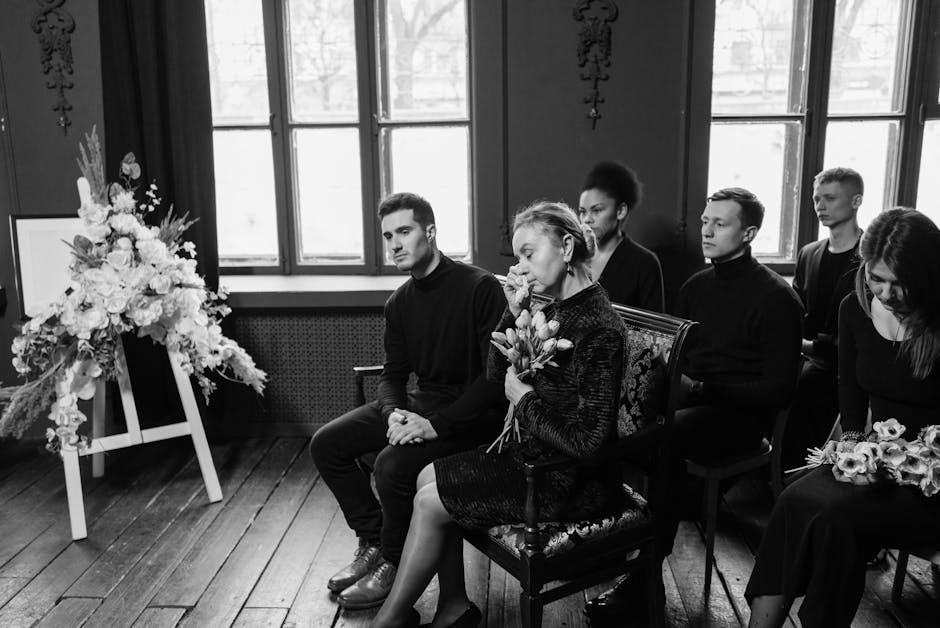
Choosing sympathy or funeral flowers sounds simple until you're the one doing it. Then every decision matters: the message on the card, the colour of the blooms, the size of the arrangement, and even where it will be placed on the day. The wrong choice can feel awkward at an already emotional time. The right one, though, brings quiet comfort. This guide on the Mistakes to Avoid When Choosing Sympathy or Funeral Flowers will help you make a respectful, thoughtful decision without second-guessing yourself.
Whether you're sending flowers to a family home, a church, a crematorium, or a wake, the details can be more important than people expect. Truth be told, many people choose in a rush. That's understandable. But a little care goes a long way.
In the sections below, you'll find practical advice on what to avoid, what to look for, and how to choose flowers that feel appropriate, meaningful, and calm rather than fussy or overdone.
Why Mistakes to Avoid When Choosing Sympathy or Funeral Flowers Matters
Funeral flowers are not just decoration. They are part of the tone of the day. They can express sympathy when words feel clumsy, show respect to the family, and help create a calm atmosphere in the room. That sounds simple, but the wrong flowers can send the wrong message. Too bright, too casual, too large, too late - any one of those can create stress.
This matters because grief already makes small decisions feel heavy. A family may be dealing with a service schedule, venue rules, transport, order of tributes, and a hundred tiny details you never see. A well-chosen arrangement should support the day, not complicate it.
In our experience, the most common problems aren't dramatic. They're practical. Someone forgets to check the delivery time. Someone orders the wrong size for the venue. Someone sends a card with a message that sounds nice in theory but feels a bit off in context. Small things, yes. But at a funeral, small things do matter.
There's also a social side to this. Families often notice who has taken the time to choose thoughtfully. Not because they are judging you - far from it - but because flowers can feel like a final gesture of care. You want that gesture to feel steady and sincere.
Key takeaway: the goal is not to choose the "best" flowers in an abstract sense. It is to choose flowers that suit the person, the family, the venue, and the moment.
How Mistakes to Avoid When Choosing Sympathy or Funeral Flowers Works
Choosing funeral flowers works best when you start with context, then narrow down style, size, delivery timing, and wording. It is less about picking a pretty arrangement and more about matching the setting. A church service, a crematorium tribute, and a home-delivered sympathy bouquet all serve different purposes.
Here's the basic flow:
- Understand the occasion. Is this for the service, the family home, a wake, or a memorial?
- Check any guidance. Some families request donations instead of flowers, or ask for a particular colour palette.
- Choose an appropriate style. Wreaths, sprays, posies, letter tributes, and hand-tied bouquets each suit different situations.
- Decide on the tone. Traditional, simple, modern, seasonal, or personal can all work depending on the relationship.
- Confirm delivery details. Timing, venue access, recipient name, and any instructions should be checked carefully.
- Write a short message. Clear, warm, and respectful usually beats poetic. Honestly, less is often more.
One useful way to think about it is this: flowers are part of the service's visual language. A neat white arrangement speaks differently from a bright mixed bouquet. A formal wreath carries a different feel from a family bouquet on the kitchen table. Neither is automatically right or wrong. The job is matching the moment.
If you are ordering from a florist, be ready to share the relationship, the venue, the date, and any preferences the family has mentioned. That helps the florist steer you away from avoidable mistakes before they happen.
Key Benefits and Practical Advantages
A thoughtful approach does more than prevent embarrassment. It also makes the whole process easier during a difficult time.
- It reduces stress. Clear decisions mean fewer last-minute changes and less worry on the day.
- It shows respect. The arrangement feels appropriate rather than generic.
- It avoids practical problems. Right size, right delivery, right venue fit.
- It can reflect the person's life. Favourite flowers, colours, or seasonal choices can feel deeply personal.
- It supports the family. A simple, well-timed gesture can genuinely comfort people.
There's also a quieter benefit: confidence. When you know you've considered the details, you are less likely to worry whether your choice was too much or not enough. And let's face it, that peace of mind is worth a lot when emotions are already running high.
For many buyers, especially those ordering remotely, the practical advantage is speed. A good florist can guide you quickly if you provide the right information up front. That saves time and cuts down on guesswork, which is often the thing people need most.
Who This Is For and When It Makes Sense
This guidance is useful for anyone arranging flowers for a funeral, cremation, memorial service, burial, or sympathy visit. It is especially helpful if you are not sure of the expected etiquette, or if you're ordering from afar and can't attend in person.
It makes sense for:
- close family members arranging formal floral tributes
- friends and colleagues sending smaller sympathy flowers
- people choosing flowers for a wake or celebration of life
- anyone who has been told "no flowers, please" and wants to understand what that means
- those selecting flowers for a home delivery after a bereavement
A realistic example: someone in South London might be ordering on a Tuesday evening for a Friday service. They're tired, they're trying to choose something respectful, and they don't want to get it wrong. That is exactly where a simple, well-structured approach helps. Not glamorous, perhaps, but very useful.
If you are arranging flowers as an employer, team member, neighbour, or extended family contact, you may also need to balance sensitivity with practicality. A restrained bouquet and a short card message are often the safest and kindest choice.
Step-by-Step Guidance
1. Start with the family's wishes
Always check whether the family has asked for donations instead of flowers, or if they have a preferred colour scheme or flower type. Some services are deliberately simple, and overriding those wishes creates unnecessary friction. If the notice is unclear, ask a close relative or the funeral director rather than guessing.
2. Match the arrangement to the venue
Large coffin sprays, wreaths, and casket tributes are usually reserved for the service itself, while smaller bouquets or posies are better for home or sympathy delivery. A huge arrangement in a modest chapel can look out of scale. Too small, and it may disappear visually. Balance matters.
3. Choose a tone, not just flowers
Ask yourself: should this feel traditional, gentle, elegant, modern, or personal? White lilies and roses suggest calm formality. Seasonal mixed flowers may feel warmer and less formal. A favourite colour can be lovely if it suits the occasion. The point is coherence.
4. Keep the message simple
Card messages do not need to be long. "With deepest sympathy," "Thinking of you," or "With love and heartfelt condolences" often feels more sincere than something elaborate. If you are close to the family, you can add a personal line. If not, keep it respectful and short. No need to perform Shakespeare in a grief card. Nobody wants that pressure.
5. Confirm delivery details carefully
Double-check the venue name, postcode, date, time, and any access instructions. A lot of flower problems come from logistics, not design. If the service is early, the flowers may need to arrive before the family does. If it is a crematorium, there may be a tighter window. These details really matter.
6. Review the final size and cost together
Price often reflects flower type, arrangement style, and size. That does not mean the most expensive choice is best. A smaller, well-composed tribute can look more refined than an oversized arrangement with no clear design. Be honest about budget. Good florists can work within it.
Expert Tips for Better Results
A few experienced-minded habits can make a big difference.
- Ask about seasonality. Seasonal flowers tend to look fresher and more natural, and they often offer better value.
- Use the person as your guide. Did they love simple garden flowers, dramatic colour, or classic white blooms? That clue is often better than a trend.
- Think about the emotional tone. Sympathy flowers should feel calm, not showy. Even bright flowers can be tasteful if they are restrained.
- Keep practical access in mind. If the flowers need to fit in a car, be carried into a venue, or sit on a narrow table, size matters more than people realise.
- Read the room, or in this case the service. A very formal funeral usually suits more traditional designs. A memorial celebration of life may allow something softer or more personal.
One thing people sometimes miss is scent. Strongly scented flowers can be lovely, but in enclosed spaces they may overwhelm. If the service is indoors and the room will be full, a lighter scent is often the kinder choice. Nobody wants the chapel to smell like a perfume counter.
Another small but important tip: if you are sending to a home, think about aftercare. A hand-tied bouquet in a water source is easy to display and easier to manage than a complicated arrangement that needs extra fuss at a time when the family has enough to do.
Common Mistakes to Avoid
1. Ignoring the family's wishes
This is the biggest one. If the notice asks for donations, a charity contribution is usually the appropriate response. If it asks for no flowers, respect that. It's simple, but surprisingly easy to overlook in a hurry.
2. Choosing something too cheerful or informal
Bright, playful arrangements can be beautiful in other settings, but a funeral is not the place for novelty. Sunflowers, bold tropicals, or very casual bouquets may feel out of step unless you know they suit the person and the family's wishes.
3. Forgetting about size
An arrangement that looks perfect on a website can feel much bigger in real life. Always check dimensions. A large spray for a small venue can be awkward to place, and a tiny posy may be underwhelming at a service with many tributes.
4. Ordering too late
Late ordering leads to fewer flower choices, delivery stress, and mistakes in the card or venue details. If possible, order with enough lead time for the florist to prepare the arrangement properly.
5. Writing a message that feels vague or mismatched
Messages like "Cheers" or "Best wishes" are obvious no-gos, but even overly elaborate wording can feel uncomfortable. Keep it honest, short, and kind. A tiny line can land better than a paragraph.
6. Using the wrong tribute type
A wreath, casket spray, tied sheaf, and sympathy bouquet are not interchangeable. Each serves a different purpose. If you are unsure, ask the florist to explain the options in plain English. That is what they are there for.
7. Overpersonalising without context
Personal touches can be beautiful, but too much can become confusing or even inappropriate. A football-themed tribute, for example, may be perfect for one person and completely wrong for another. Context first.
8. Assuming all venues work the same way
Churches, crematoriums, funeral homes, and private houses all have different practical limits. There may be timings, access points, or placement rules to consider. A quick check saves hassle later.
Tools, Resources and Recommendations
You do not need fancy tools to choose well, but a few practical resources help a great deal.
- Venue details: the service location, time, and postcode.
- Family instructions: donation requests, preferred colours, or flower restrictions.
- A florist's catalogue: useful for comparing wreaths, sprays, posies, and bouquets side by side.
- Size guides: look carefully at dimensions rather than relying on photos alone.
- Message draft: write the card text before ordering so you are not rushed.
If you are choosing online, look for clear product descriptions, honest sizing, and visible delivery information. If you are speaking with a florist by phone, be ready with three things: the occasion, the destination, and the relationship to the deceased. That usually gets you to the right recommendation quickly.
If you want more general inspiration on flower style, seasonal design, or floral arrangements for different occasions, you can also browse funeral flower arrangements and sympathy flowers for home delivery for examples of what is typically available.
That said, examples are only a starting point. The most suitable choice is always the one that fits the person and the situation. There is no one-size-fits-all answer here, and that's fine.
Law, Compliance, Standards, or Best Practice
In the UK, funeral flower choices are mostly guided by etiquette, venue practice, and the family's wishes rather than formal legal rules. Still, best practice matters. If a family requests no flowers, that should generally be respected. If a funeral director or venue gives instructions about delivery times, flower placement, or size limits, follow them carefully.
There is also a practical compliance point: if you are arranging flowers for a workplace, school, or organisation, make sure any collection, ordering, and card messaging aligns with internal policies and the family's preferences. For example, a corporate tribute should usually be modest and neutral unless the family has expressed something different.
In some London venues, access can be tight and timings can be strict, especially where multiple services are scheduled close together. That is not a legal issue, but it is a real-world one. If delivery instructions are precise, treat them as non-negotiable.
Best practice is straightforward:
- respect the family's request first
- confirm venue and delivery details in advance
- choose a style that fits the occasion
- keep wording dignified and simple
- avoid assumptions about size, colour, or symbolism
There is no need to make this harder than it is. Sensitivity, accuracy, and clear communication cover most situations.
Options, Methods, or Comparison Table
Different flower types suit different needs. Here's a simple comparison to help you avoid choosing the wrong format.
| Flower option | Best for | What it communicates | Common mistake to avoid |
|---|---|---|---|
| Wreath | Formal funerals, tributes at the service | Respect, remembrance, tradition | Choosing one that is too large or too casual for the venue |
| Casket spray | Close family tribute on the coffin | Deep personal connection | Ordering it when the family already has one arranged |
| Posy | Smaller, neat tribute or home delivery | Simple sympathy and care | Expecting it to make a large visual statement |
| Hand-tied bouquet | Sympathy flowers for the family home | Warmth and support | Using overly scented or fragile flowers without considering upkeep |
| Letter or shape tribute | Personal tribute for a close relationship | Highly specific remembrance | Choosing a personal design without knowing the family's preference |
If you're unsure between options, start with the relationship and the setting. The closer the relationship, the more personal the tribute may be. The more formal the venue, the more restrained the design usually should be. Simple rule, but useful.
Case Study or Real-World Example
A common situation goes like this. Someone wants to send flowers to a funeral at a crematorium in the morning, but they only receive the details the evening before. They choose a bright mixed bouquet because it looks cheerful online. Lovely flowers, yes - but the service is small, the family has asked for pale colours, and the florist's delivery window is tight.
What happens next? Usually one of two things. Either the bouquet arrives looking lovely but slightly out of place, or it arrives late and causes avoidable stress. Neither is ideal. The better approach would have been to check the family's wishes, choose a softer arrangement, confirm the delivery time, and keep the message simple.
Now imagine the same situation done well. The sender chooses a modest white and green hand-tied arrangement for the family home, with a short card that says, "With heartfelt sympathy and love." It arrives on time, feels calm, and gives the family something beautiful to place on a side table while everything else feels unsettled. That is the difference a thoughtful choice makes.
Small details. Big effect. Funny how often that turns out to be true.
Practical Checklist
Use this quick checklist before you place an order:
- Have I checked the family's wishes about flowers or donations?
- Do I know the exact venue, date, and delivery time?
- Have I chosen the right type of tribute for the occasion?
- Does the size fit the venue and the relationship?
- Have I kept the colour palette and style appropriate?
- Is the card message short, kind, and respectful?
- Have I checked any scent or maintenance issues?
- Am I confident the florist understands the instructions clearly?
- Have I allowed enough time for preparation and delivery?
- Does the final choice feel sincere rather than rushed?
If you can answer yes to most of those, you are usually in good shape. If not, pause and clarify before ordering. Five minutes now can save a lot of awkwardness later.
Conclusion
Choosing sympathy or funeral flowers is rarely about finding the "perfect" arrangement. It is about avoiding easy mistakes, reading the situation properly, and making a gesture that feels kind, respectful, and steady. When you slow down just enough to consider the venue, the family's wishes, the message, and the size of the tribute, you make a choice that supports the day rather than distracting from it.
The main lesson is simple: keep it thoughtful, keep it clear, and don't overcomplicate things. A well-chosen bouquet or tribute can say what many of us struggle to say in difficult moments. And sometimes that quiet kindness is remembered more than anything else.
Get a free quote today and see how much you can save.
In the end, the best flowers are the ones that feel right for the person, the family, and the moment. That's enough. More than enough, really.
Frequently Asked Questions
What are the biggest mistakes to avoid when choosing sympathy or funeral flowers?
The biggest mistakes are ignoring the family's wishes, choosing the wrong size or style, leaving ordering too late, and writing a message that feels inappropriate for the occasion. Delivery details are another common issue.
Should I send flowers if the notice says donations only?
Usually, no. If the family has specifically asked for donations only, that request should be respected. It is one of the clearest signals you can receive, so it is best not to override it.
What flowers are most appropriate for a funeral in the UK?
Traditional choices such as lilies, roses, carnations, chrysanthemums, and seasonal white or pale arrangements are commonly used. That said, the right choice depends on the person, the family's preferences, and the tone of the service.
Is it better to send a wreath, bouquet, or posy?
It depends on the setting. Wreaths are often used for formal funeral tributes, posies are smaller and neat, and hand-tied bouquets are commonly sent to the family home. If in doubt, ask the florist which format fits the occasion.
How far in advance should I order sympathy flowers?
As early as possible. Giving yourself time helps with availability, delivery planning, and card wording. If the service is soon, order promptly and provide accurate details straight away.
Can I choose bright colours for funeral flowers?
Yes, sometimes. Bright colours can be appropriate if they suit the person or the family wants something more celebratory. The key is balance. Very bold or casual combinations can feel out of place if the service is formal.
What should I write on the sympathy card?
Keep it short, sincere, and respectful. Simple phrases such as "With deepest sympathy" or "Thinking of you at this sad time" are usually safe. If you knew the person well, a brief personal memory can be lovely.
Are strongly scented flowers a bad idea?
Not always, but they can be overwhelming in enclosed spaces. For indoor services, lighter scent is often a safer choice. For home delivery, scent can be more personal, though it still depends on the family's preference.
What if I do not know the family very well?
Choose something restrained and thoughtful. A simple bouquet, posy, or small sympathy arrangement with a short message is usually appropriate. You do not need to overdo it.
Do funeral flowers have to be white?
No. White is traditional and widely used, but it is not the only option. Soft pastels, muted greens, and even carefully chosen brighter flowers can all work if they suit the situation.
Can I send sympathy flowers to the home after the funeral?
Absolutely. In fact, home-delivered sympathy flowers can be very comforting after the service, when the house can feel unusually quiet. Just keep the design manageable and considerate.
How do I know if my flower choice is too much?
Ask yourself whether the arrangement feels respectful, calm, and appropriate for the venue. If it feels more like a celebration bouquet than a condolence gesture, it may need adjusting. When in doubt, smaller and simpler is usually safer.