RHS-Qualified Florists: Standards & Methods for Big Events
When a big event depends on flowers, there is very little room for guesswork. The room needs to feel right, the timings need to hold, and the arrangements have to look polished from the first guest arrival to the last photograph. That is where RHS-Qualified Florists: Standards & Methods for Big Events become genuinely valuable. In plain English, you are not just hiring someone who can "do flowers"; you are choosing a florist with formal horticultural training, a structured working method, and the judgement to handle pressure without the whole thing wobbling at the seams.
Whether you are planning a wedding, awards night, product launch, corporate dinner, charity gala, or a fairly sprawling private celebration, the difference shows up everywhere: in design consistency, stem quality, practical logistics, and the calm way the whole install comes together. Let's face it, that calm is worth a lot.
This guide explains what RHS-qualified floristry means, how the standards translate into event work, where the real benefits lie, and how to choose a florist who can actually deliver on the day. You will also find a comparison table, a hands-on checklist, and a realistic example from the sort of situation event planners face all the time.
Table of Contents
- Why RHS-Qualified Florists Matter for Big Events
- How the Qualification and Event Method Work
- Key Benefits and Practical Advantages
- Who This Is For and When It Makes Sense
- Step-by-Step Guidance
- Expert Tips for Better Results
- Common Mistakes to Avoid
- Tools, Resources and Recommendations
- Law, Compliance, Standards, or Best Practice
- Options, Methods, or Comparison Table
- Case Study or Real-World Example
- Practical Checklist
- Conclusion
- Frequently Asked Questions
Why RHS-Qualified Florists: Standards & Methods for Big Events Matters
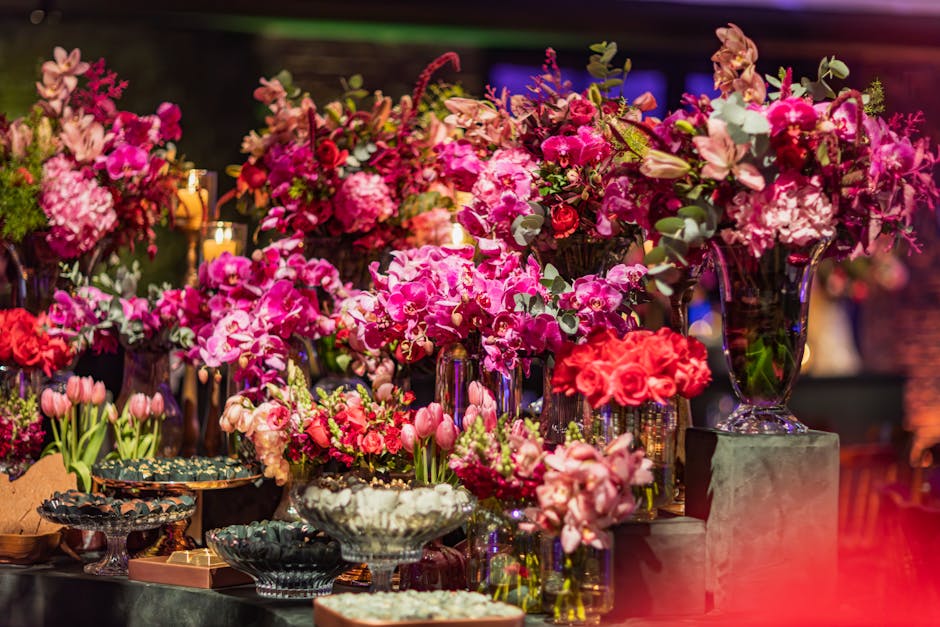
Big events are not forgiving. A small hand-tied bouquet can be forgiving if one stem leans a little. A 60-table banquet, aisle arch, stage set, or reception installation is another matter entirely. If the colour palette is slightly off, if the foam mechanics fail, or if the flowers are not conditioned properly, the problem becomes visible fast. Everyone notices. Nobody says it out loud, but they notice.
RHS training is respected because it is rooted in practical plant knowledge, design discipline, and technical flower handling. That matters at scale. Large events need more than creative flair; they need an approach that accounts for hydration, temperature, transport, sequencing, and how the arrangement will behave once it leaves the studio. A florist with strong horticultural training is more likely to anticipate those issues before they become expensive problems.
There is also a trust factor. Event organisers, venues, and corporate clients often want reassurance that the florist understands standards, deadlines, working safely on site, and the visual expectations of a premium event. In that sense, RHS qualification is not a decorative badge. It is a useful signal that the florist has invested in structured learning rather than just relying on taste and trial-and-error.
If you are booking flowers alongside wider event logistics, it can help to think about the florist as part of the operational team, not just the styling team. That is especially true for larger orders where delivery windows, access restrictions, and installation sequencing matter. For related practical planning, some clients also review the site's delivery information early, and for corporate events it is often sensible to look at corporate account options before the event brief is finalised.
How RHS-Qualified Florists: Standards & Methods for Big Events Works
To understand the method, it helps to separate qualification from execution. An RHS qualification tells you the florist has been trained in plant science, materials, care, and presentation. The event method is how that knowledge gets turned into a workable floral plan for a real venue.
1. Briefing and concept development
It starts with the brief. A good florist asks about the venue, timing, guest count, brand colours, sightlines, candle use, stage lighting, and whether the flowers need to work for photography as well as live guests. That is not being fussy. That is doing the job properly. A wedding breakfast in a sunlit conservatory needs a different flower mix from a black-tie dinner under warm uplighting.
2. Flower selection and conditioning
Qualification shows up here in a very practical way. The florist understands which stems are sturdy, which are delicate, which respond badly to heat, and which need more careful timing. Conditioning means preparing flowers so they hydrate fully, cleanly, and consistently before design work begins. At a big event, weak conditioning can ruin the whole install by hour three.
3. Design engineering
Yes, engineering is the right word. Large floral work is not just arrangement; it is structure. Centrepieces need balance. Entrance pieces need stability. Arch work needs support and a realistic understanding of weight. There is often a hidden framework underneath the prettiness. That part is a little less glamorous, admittedly, but it is the reason the flowers stay where they should.
4. Logistics, timing, and install planning
For big events, florist timing is as important as florist artistry. The team may need early access, security badges, loading instructions, and a precise install sequence so flowers are placed after table linen, before glassware, or just before guest arrival. A qualified florist will usually build the schedule around those constraints instead of hoping they disappear. They rarely do.
5. On-site adjustments
Even the best plan sometimes needs a tweak on the day. A florist with experience will adjust height, density, spacing, or positioning once they see the room in real light. That flexibility matters, because venues can look different at 3pm than they do at 7pm. It is a small thing, but then the small things are often the whole thing.
Key Benefits and Practical Advantages
Hiring an RHS-qualified florist for a large event is not only about getting "better flowers". The practical advantages are broader and often more measurable than people expect.
- Stronger plant and flower knowledge: Better stem choice, better seasonal judgment, and fewer surprises with delicate varieties.
- More reliable event planning: Structured methods reduce the risk of late installations, wilted displays, and avoidable rework.
- Improved visual consistency: Every table, foyer display, or stage arrangement is more likely to feel part of one coherent design story.
- Better handling of scale: Large orders need repeatable processes, not just creative instinct.
- Less waste: Sensible conditioning and smart buying can reduce unusable stock and unnecessary replacements.
- Higher confidence for clients and venues: Venue teams tend to relax when they know the florist understands professional standards.
There is also a quieter benefit: fewer last-minute panics. If you have ever been in a venue when boxes are being opened at speed, scissors are clattering, and someone has just realised the urns are too heavy for the plinths, you will know what I mean. Good methods prevent that kind of mess. Or at least reduce it a lot.
For event planners comparing service levels, it can also be useful to review practical guarantees and aftercare expectations. A florist's guarantees and flower care advice can tell you a surprising amount about how they think about quality beyond the brochure.
Who This Is For and When It Makes Sense
This approach makes sense for anyone whose event depends on flowers doing more than simply looking nice in a vase. If the flowers are part of the guest experience, the brand experience, or the photo story, standards matter.
It is particularly useful for:
- luxury weddings with multiple focal points
- corporate launches where brand colours and presentation need to stay consistent
- gala dinners and awards ceremonies with tight venue schedules
- hotels, private members' venues, and hospitality spaces hosting premium occasions
- charity events where donors, sponsors, and media will see the styling up close
- large family celebrations with several rooms, delivery times, and guest areas
It may be less necessary for very small, informal gatherings where simplicity is the priority and the floral brief is modest. Truth be told, not every event needs a highly technical floral build. But once scale, symbolism, or time pressure increases, the value grows quickly.
Corporate clients often prefer a florist who can handle repeat orders, invoicing, and consistent quality across multiple dates. If that is your world, it is worth exploring corporate accounts alongside broader ordering and payment details through the site's payment information.
Step-by-Step Guidance
If you want to work well with an RHS-qualified florist on a big event, a structured process makes all the difference. Here is a sensible way to approach it.
- Start with the event purpose. Decide what the flowers need to achieve: welcome guests, frame a stage, support brand colours, soften a modern venue, or create photo moments.
- Share the practical facts early. Venue access, loading restrictions, timings, ceilings, table counts, and lighting conditions are the details that protect the design later.
- Ask about flower selection strategy. A good florist should explain which stems are seasonal, which are durable, and which will hold up well through the event window.
- Request a clear install plan. You want to know when flowers arrive, who installs them, what happens if timings change, and what the fallback is if the venue runs late.
- Confirm the visual priorities. Are the top tables most important? Do guests see the entrance first? Does the stage need to be photographed from several angles? These answers shape the whole build.
- Check care and aftercare guidance. Especially for multi-day events, a florist should explain water top-ups, positioning, and what the venue team may need to do.
- Review terms before you commit. For high-value events, the small print matters. It is worth reading the terms and conditions and understanding returns and refund guidance if anything changes.
A simple but effective rule: the more complex the event, the earlier the floral conversation should begin. Flowers are living materials. They are not widgets. They age, open, droop, and react. Planning has to respect that. A florist who knows what they are doing will keep saying this, politely, until you hear it properly.
Expert Tips for Better Results
Here are the things that, in practice, separate a nice floral event from a really well-executed one.
- Choose for shape as well as colour. A room can look flat if every arrangement has the same silhouette. Mix height, texture, and movement.
- Think in sightlines. Guests should be able to talk across a table without feeling boxed in by petals and foliage.
- Use the venue's light to your advantage. Soft daylight, warm evening light, and stage lighting all change how flowers read.
- Build one or two "hero moments". A dramatic entrance piece or head-table installation often works harder than trying to make every corner equally loud.
- Ask for samples when the brief is important. For brand events or colour-critical weddings, a small test arrangement can save a lot of second-guessing.
- Keep the palette disciplined. Too many tones can look busy very quickly. Less can honestly be more, especially in large rooms.
One quiet trick: if you are not sure what is missing in a floral concept, step back and look at the negative space. Often the design needs breathing room, not more blooms. Sounds almost too simple, but it works.
For readers interested in the sustainability side of event floristry, it can also help to review a florist's sustainability approach. That may cover sourcing choices, waste reduction, and how responsibly materials are handled after the event.
Common Mistakes to Avoid
Even experienced planners can slip up here, especially when flowers are only one piece of a bigger puzzle. The usual mistakes are predictable, but they still catch people out.
- Booking too late: Good florists are often busy during peak seasons. Leaving it to the last minute limits choice and increases stress.
- Undersharing event details: If the florist does not know about access limits, load-in times, or low ceilings, the design may not fit the reality of the venue.
- Focusing only on pretty pictures: Social media images can be helpful, but they do not show logistics, durability, or installation quality.
- Ignoring scale: A design that looks elegant in a sample may look sparse in a ballroom if it is not properly scaled.
- Choosing fragile flowers for demanding conditions: Some stems are gorgeous but simply not ideal for hot rooms or long installs.
- Forgetting the guest experience: Tall centrepieces can block conversation. Strong fragrance can overwhelm a small dinner room. These things matter.
One more, and this one is common: assuming every florist works the same way. They do not. Some are highly creative but less systemised. Others are more technical. The best event outcomes usually come from a florist who can do both. Not perfect, just properly prepared.
Tools, Resources and Recommendations
You do not need a truckload of fancy kit to run a strong floral event, but you do need the right basics. The best teams usually keep things organised, calm, and repeatable.
Useful practical tools
- Venue floor plans: Helps with table counts, focal points, and delivery routes.
- Colour references: Fabric swatches, paint chips, or branded assets can keep the palette accurate.
- Production schedule: A simple time plan prevents flower work from drifting into the rest of the event build.
- Care notes: Especially useful for multi-day events or hotel setups.
- Delivery and access checklist: Loading bay times, lift sizes, parking constraints, and site contacts.
Recommended internal pages for planning
If you are coordinating flowers as part of a wider order, it may also be helpful to check the site's flower delivery information, about us page for background on the business, and contact details if you need to speak to someone about timings or special requirements.
Those practical pages matter more than people think. Nice flowers are only half the job. The rest is getting them there in good condition, on time, with the right paperwork and expectations in place. Boring? Maybe a little. Essential? Absolutely.
Law, Compliance, Standards, or Best Practice
For event floristry in the UK, the most important point is simple: follow the venue's rules, respect site access requirements, and handle all work safely. There is no universal "florist law" that covers every event in the same way, but there are clear best-practice expectations around safe working, public access, delivery timing, waste disposal, and supplier responsibility.
In practical terms, that means a professional florist should be able to work within venue risk controls, respect fire exits and access routes, use stable construction methods, and coordinate with event managers rather than working around them. If flowers are installed at height, near candles, or alongside electrical fittings, caution is non-negotiable. No drama, just competence.
It is also wise to think about contractual clarity. Before confirming a large event order, check what is covered by the agreement, what happens if timings change, and how substitutions are handled if a stem becomes unavailable. Good suppliers are usually transparent about that. The same applies to refunds, replacement policies, and payment terms. If anything is unclear, ask. A confident florist should welcome that conversation.
Trust signals matter too. Businesses that publish clear policies such as privacy information, accessibility details, cookie policy information, and even a modern slavery statement are showing that they take transparency seriously. That does not replace event skill, of course, but it does strengthen confidence.
Options, Methods, or Comparison Table
Not every event needs the same level of floral input. The right method depends on scale, timing, venue style, and how visible the flowers will be. Here is a simple comparison to help you think it through.
| Approach | Best for | Strengths | Limitations |
|---|---|---|---|
| Basic event floristry | Small gatherings, simple tables, informal functions | Cost-effective, quick to organise, low complexity | Less suited to large installs or design-led events |
| RHS-qualified florist with structured event method | Weddings, corporate events, premium private functions | Stronger plant knowledge, better planning, more reliable presentation | May involve a more detailed brief and tighter coordination |
| Full bespoke floral production | Large-scale launches, gala evenings, brand activations | Highly tailored, visually striking, venue-specific | Needs early planning, larger budget control, and more site management |
If you are deciding between options, the right question is not just "what looks best?" It is "what will still look best after four hours, three room changes, and a few people nudging chairs around?" That is the real test.
Case Study or Real-World Example
Imagine a corporate dinner for 180 guests in London. The client wants a refined look, white and green flowers, no overpowering scent, and a strong entrance moment that can be photographed as guests arrive. The venue has a tight delivery window in the late afternoon and a loading bay shared with another event.
An inexperienced florist might focus on the design first and sort logistics later. That can work for a small birthday table. It is risky for a dinner like this. An RHS-qualified florist with event experience would usually start differently: measure the tables, confirm access timing, check ceiling heights, discuss candle placement, and select flowers that can hold shape indoors for the full evening.
In practice, the florist might choose sturdy white roses, seasonal green materials, and textural foliage rather than fragile blooms that open too quickly. The entrance piece would be designed to sit solidly in the doorway without blocking the route. Table centres would be low enough for conversation, but layered enough to stop the room feeling flat. Installation would be staged so the venue team could finish linen and glassware before floral placement.
The result is not just "pretty". It is smooth. Guests walk in and notice the atmosphere first, not the logistics. The client gets photographs that still look fresh at 9pm. The venue team is not fielding complaints. And nobody is scrambling for extra buckets behind the scenes. Which, to be fair, is exactly what you want.
In a real planning conversation, that kind of outcome usually comes from detailed communication well before the event, plus sensible aftercare. If flowers will remain in place after the event or be moved between spaces, it helps to know the care expectations and replacement terms in advance through the relevant service pages and policies.
Practical Checklist
Use this checklist before you confirm an event florist. It is simple, but it catches most of the issues that cause problems later.
- Have you shared the full event brief, including venue name, access times, and guest numbers?
- Do you know which floral elements are essential and which are optional?
- Has the florist explained how they will condition, transport, and install the flowers?
- Have you checked whether the chosen flowers will suit the season and the venue conditions?
- Is there a clear point of contact on the day for access and decisions?
- Have delivery, setup, and breakdown timings been confirmed?
- Do you understand the payment terms and any deposit requirements?
- Have you read the relevant policies on guarantees, returns, and refunds?
- Is the design practical for guest movement, photography, and staff access?
- Have you discussed sustainability preferences if they matter to the event?
Quick expert summary: the best event floristry is not the flashiest on paper. It is the one that combines horticultural knowledge, calm logistics, and design discipline so the room feels effortless. That effortlessness is created, not accidental.
Conclusion
RHS-qualified florists bring something genuinely useful to big events: not just creativity, but standards. They understand plants, they respect process, and they tend to think several steps ahead, which is exactly what large events need. When the room is busy, the schedule is tight, and the flowers have to look flawless from first impression to final photo, that blend of knowledge and method becomes priceless.
If you are planning a major occasion, choose a florist who can explain their thinking clearly, anticipate practical challenges, and work confidently with the venue. That is how you get flowers that look beautiful and behave beautifully, too. And honestly, that is the sweet spot.
Get a free quote today and see how much you can save.
When the last guest leaves and the lights come down, the best floral work is the kind people still remember without quite knowing why. That quiet feeling, that lifted room - that is the real result.
Frequently Asked Questions
What does RHS-qualified mean for a florist?
It means the florist has completed training linked to the Royal Horticultural Society and has learned structured plant knowledge, flower care, and design principles. For events, that usually translates into better material choices and more dependable execution.
Are RHS-qualified florists better for big events?
Often, yes. The qualification alone does not guarantee perfection, but it usually indicates stronger horticultural understanding and a more disciplined approach to working with flowers at scale.
Do big events need a specialist florist?
If the event has multiple installations, tight timings, premium presentation standards, or brand visibility, a specialist florist is a smart choice. Smaller, informal events may not need that level of detail.
How far in advance should I book a florist for a large event?
As early as you can, especially during busy seasons. Large event work needs time for design development, sourcing, and logistics planning, and the better florists tend to be booked first.
What should I ask an event florist before booking?
Ask about their installation process, stem selection, contingency planning, venue experience, delivery timing, and how they handle substitutions or changes. A good florist will answer clearly and without faffing about.
Can an RHS-qualified florist work within a strict budget?
Yes, but the brief needs to be realistic. A skilled florist can often recommend seasonal choices, fewer hero pieces, or smarter placement to make the budget go further without making the event look thin.
How do florists keep flowers fresh during long events?
They condition stems properly, choose suitable varieties, manage transport carefully, and plan installation timing so the flowers spend as little time as possible out of water or in heat.
What is the difference between event floristry and retail flower delivery?
Retail delivery is usually about individual bouquets or smaller arrangements. Event floristry involves scale, coordination, site access, install timing, and making flowers work as part of a larger environment. If you are comparing service needs, the site's flower delivery and delivery pages are useful starting points for understanding the practical side.
Do I need to think about sustainability when choosing a florist?
If sustainability matters to your event, yes. Ask how flowers are sourced, how waste is handled, and whether the florist can suggest more responsible materials or designs. The right approach can be both elegant and considerate.
What happens if the venue changes the timing on the day?
A professional florist should have a flexible plan and a clear line of communication with the event team. It helps enormously when everyone knows the installation sequence and who makes decisions if timings slip.
Are guarantees important when hiring a florist?
They are useful because they show how the business handles quality expectations, substitutions, and aftercare. Reading the guarantees page and related policies gives you a better sense of how dependable the florist is.
How do I know whether the florist is a good fit for my event style?
Look at their design range, ask how they approach venue-specific work, and pay attention to how they talk about planning. If they ask thoughtful questions about light, access, and guest flow, that is a very good sign.